

A successful paint job does not end when the final coat dries. What happens after the project is complete plays a major role in how long the finish lasts and how good it continues to look. Many homeowners assume maintenance is minimal, but small post-project habits can make a significant difference in durability, appearance, and future repair costs. A professional painting contractor typically emphasizes that proper aftercare protects both the investment and the quality of the finish over time. The following expert tips focus on practical steps that help preserve results and make future touch-ups easier and more consistent.
Tip 1: Store Leftover Paint Properly for Future Repaints
One of the most important post-project steps is properly storing any leftover paint. This is often overlooked, yet it directly affects how well touch-ups and future repainting will match the original finish. A painting professional will typically recommend sealing paint cans tightly to prevent air exposure, which can cause thickening or skin formation on the surface. Before sealing, it helps to clean the rim of the can so the lid closes securely and creates an airtight seal.
Temperature control is equally important. Paint should be stored in a cool, dry location where it will not be exposed to freezing conditions or excessive heat. Both extremes can alter the paint’s chemical composition, reducing its usability. A basement or interior closet is often a better choice than a garage or shed.
Labeling the paint cans with the room name, finish type, and date of application also saves time later. This ensures that when touch-ups are needed, there is no guesswork involved in matching colors or sheen levels. Proper storage not only extends the life of leftover paint but also ensures consistency in future maintenance work.
Tip 2: Protect Surfaces and Monitor Early Wear Signs
After a project is complete, it is essential to protect freshly painted surfaces from unnecessary wear. Although modern paints are designed to cure fairly quickly, full curing can take several weeks. During this period, walls are more susceptible to scuffs, scratches, and moisture damage. A painting contractor will often advise homeowners to avoid placing furniture too close to walls immediately after painting and to be cautious when cleaning nearby surfaces.
Routine inspection during the first few months can also help identify early signs of issues such as bubbling, uneven sheen, or minor peeling. These problems are easier to correct when addressed early rather than allowed to spread. Paying attention to high-traffic areas like hallways and entryways is especially important, as these spaces tend to show wear more quickly than others.
Cleaning practices also matter. Using a soft cloth and mild detergent helps preserve the finish without stripping paint or dulling the surface. Harsh chemicals or abrasive scrubbing can shorten the lifespan of even high-quality paint jobs. By combining gentle care with early detection of wear, homeowners can significantly extend the life of their interior finishes.
Tip 3: Plan for Long-Term Maintenance and Seasonal Touch-Ups
Long-term maintenance is the key to keeping painted surfaces looking fresh well beyond the initial project. Even the best paint jobs will eventually require minor touch-ups due to natural wear, environmental exposure, or accidental damage. A painting professional typically recommends setting a seasonal schedule to inspect both interior and exterior surfaces for fading, chips, or discoloration.
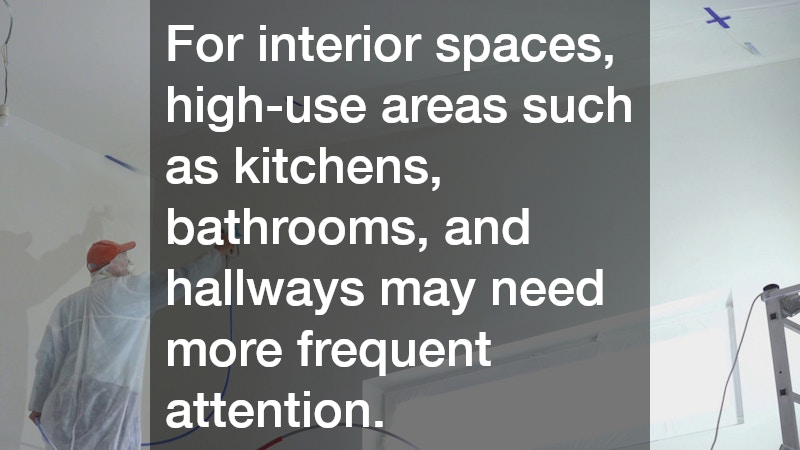
For interior spaces, high-use areas such as kitchens, bathrooms, and hallways may need more frequent attention. Small touch-ups performed consistently prevent the need for larger repainting projects later. It is important to use the same paint batch or a properly stored match to maintain consistency in color and texture.
Exterior surfaces require additional attention due to exposure to sunlight, rain, and temperature fluctuations. Checking for peeling or cracking paint at least once a year helps protect underlying materials from moisture damage and deterioration. Addressing these issues early reduces long-term repair costs and preserves the structural integrity of the surface beneath the paint.
Post-project care is just as important as the painting process itself. From properly storing leftover materials to monitoring surface condition and planning routine maintenance, each step plays a role in preserving quality over time. Homeowners who follow these practices can extend the life of their paintwork and maintain a clean, polished appearance throughout the home. A professional painting contractor understands that lasting results depend not only on application but also on thoughtful upkeep after the job is done.